










Museo del Pueblo Maya Dzibilchaltún
The Maya language is spoken by all social strata in the Yucatan peninsula. The Maya are present today, yesterday and in the remote past. This museum explains their long, unbroken history with numerous examples of sculpture, pottery, houses, the calendar, work, writing, etc.
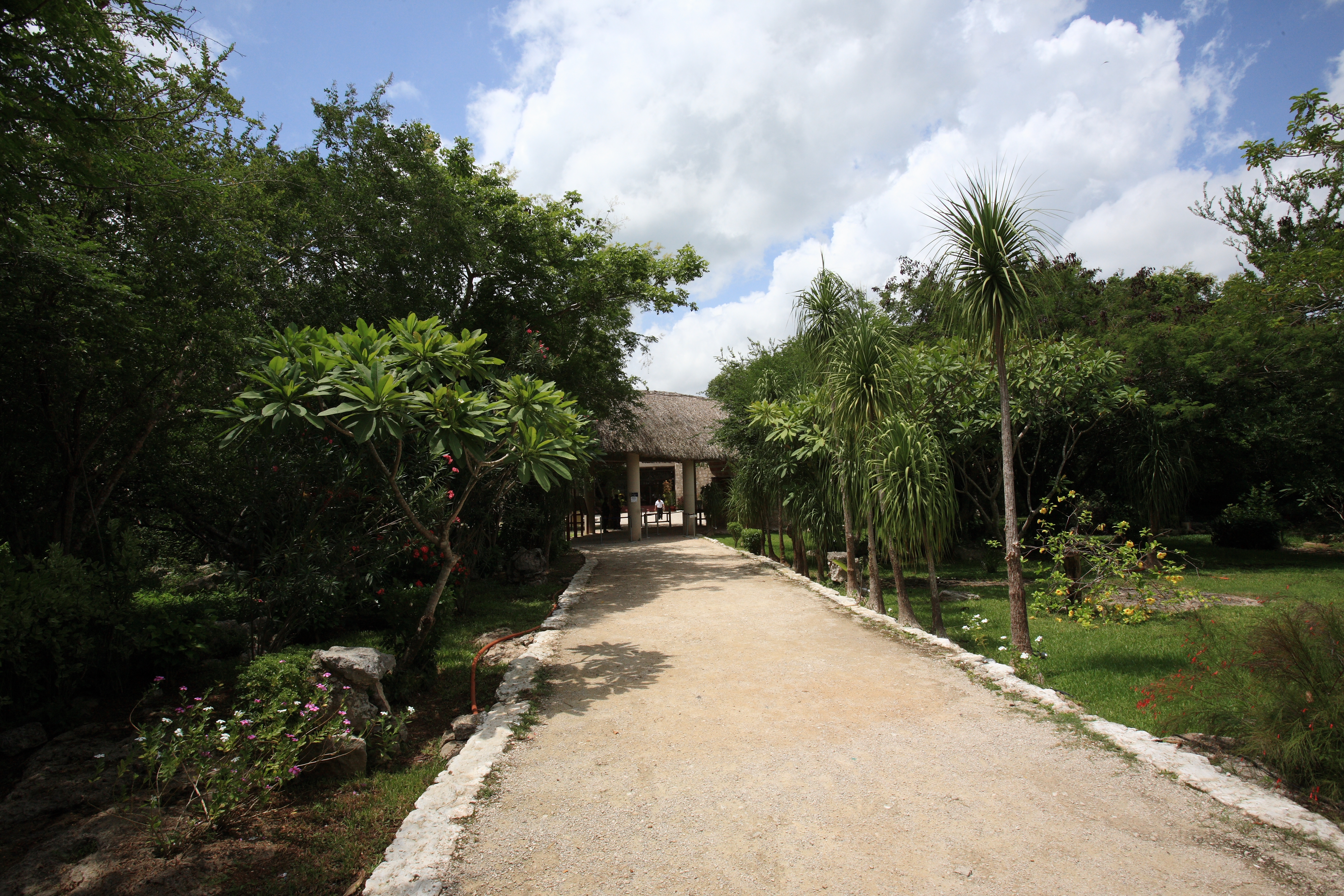
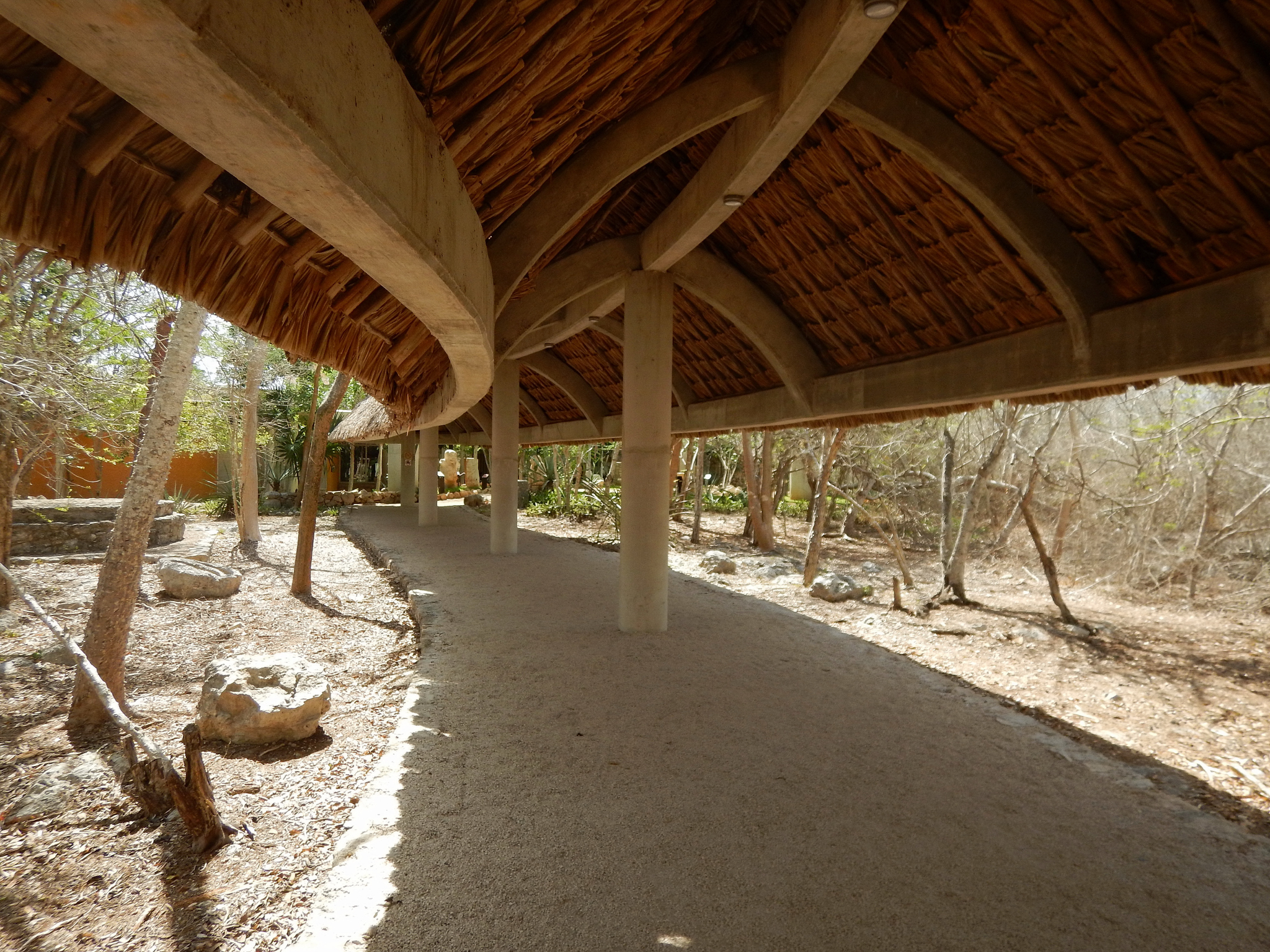
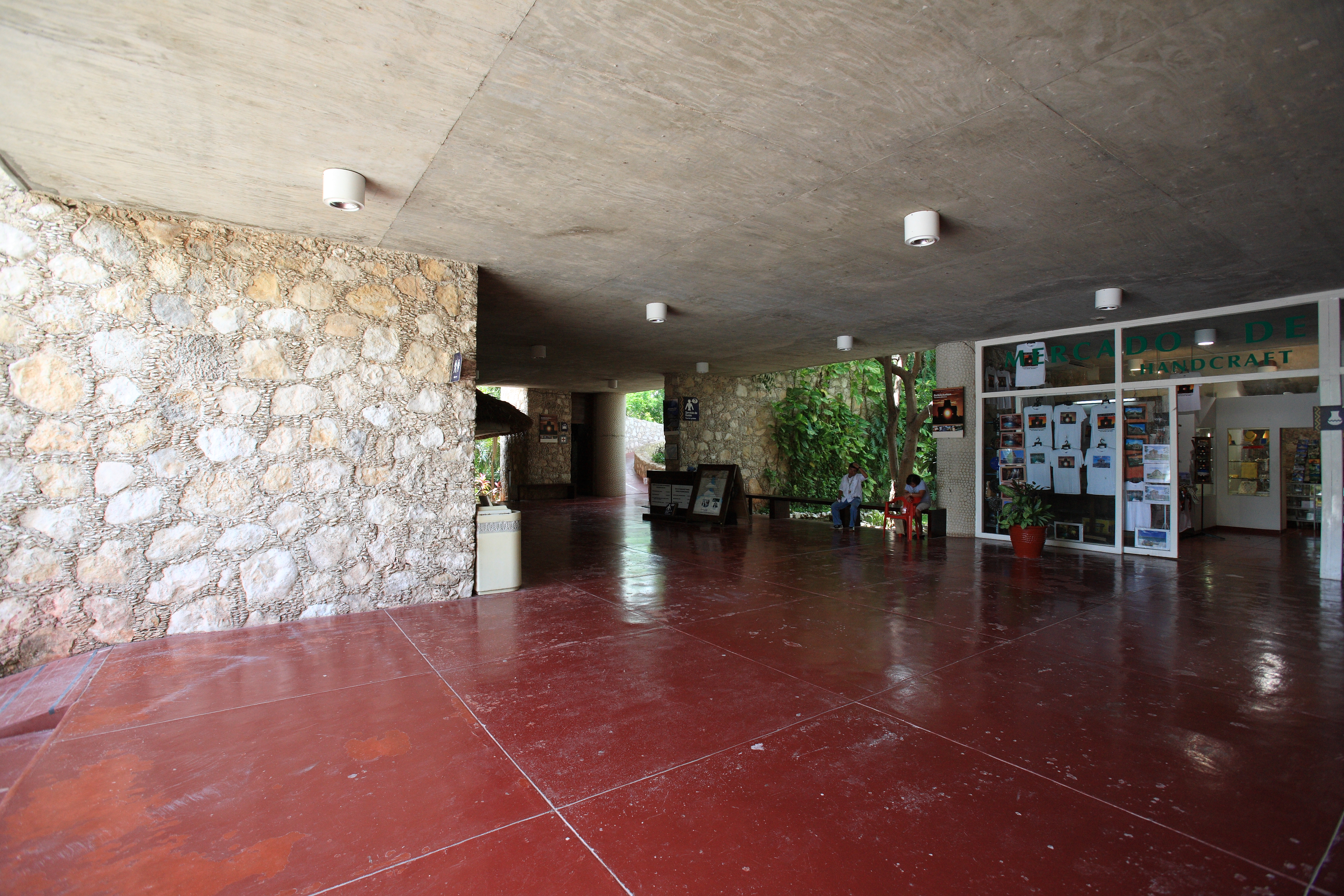
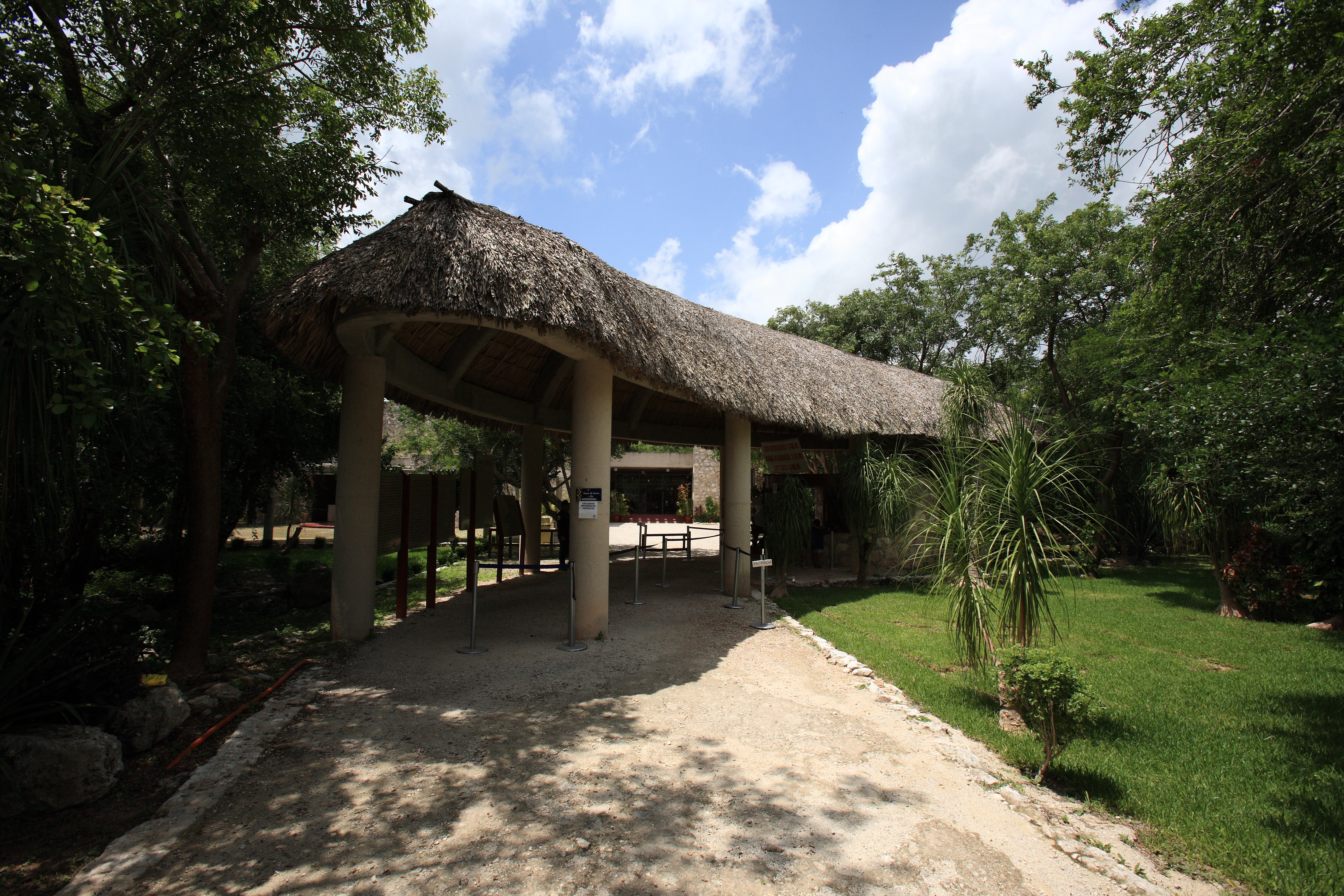
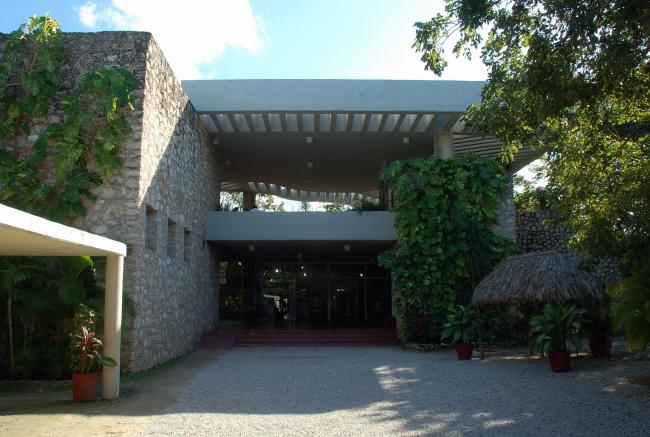
Display covering the development of Mayan culture from pre-Hispanic times to the present day. Situated to the north of the city of Merida, Dzibilchaltun is both an archeological site and a national park. Designed by the architect Fernando González Gortázar in a contemporary style, the site museum is a dispersed complex in the forest, which clearly relates to the site on which it was built. It exhibits 700 archeological and historical artefacts summarizing 3,000 years of Mayan culture.
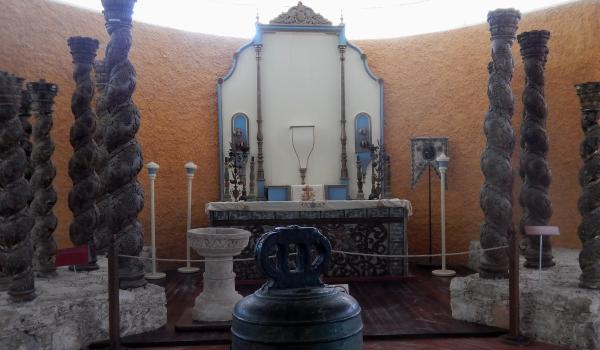
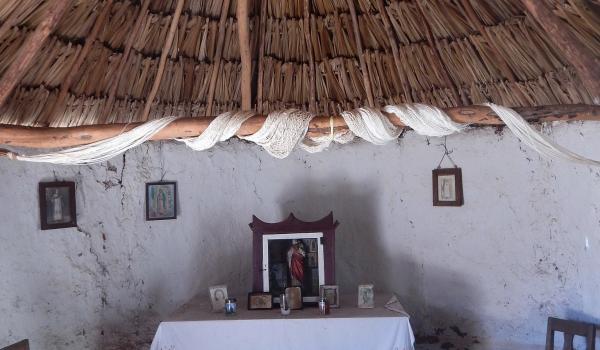
It consists of four exhibition halls: 1. Pergola of the Monoliths. Displaying monolithic pre-Hispanic sculptures from the states of Yucatán, Campeche and Quintana Roo along a path which leads through a garden of native plant species. 2. Mayan Archeology. Focusing on the pre-Hispanic period, with ceramic and architectural pieces from Chiapas, Campeche and Yucatán displayed to illustrate themes such as Mayan cosmology, the origins of humankind, the relationship between humans and nature, the gods, the social hierarchy, painting, writing, labor specialization and the calendar. 3. The History of Dzibilchaltún. Containing finds from the archeological excavations. It also covers contact with the Spanish and the conquest of the Mayan people, the vice-regal period and the formation of Yucatec identity. 4. Mayan House. Annex with a reconstruction of a typical rural Mayan building using traditional building techniques.

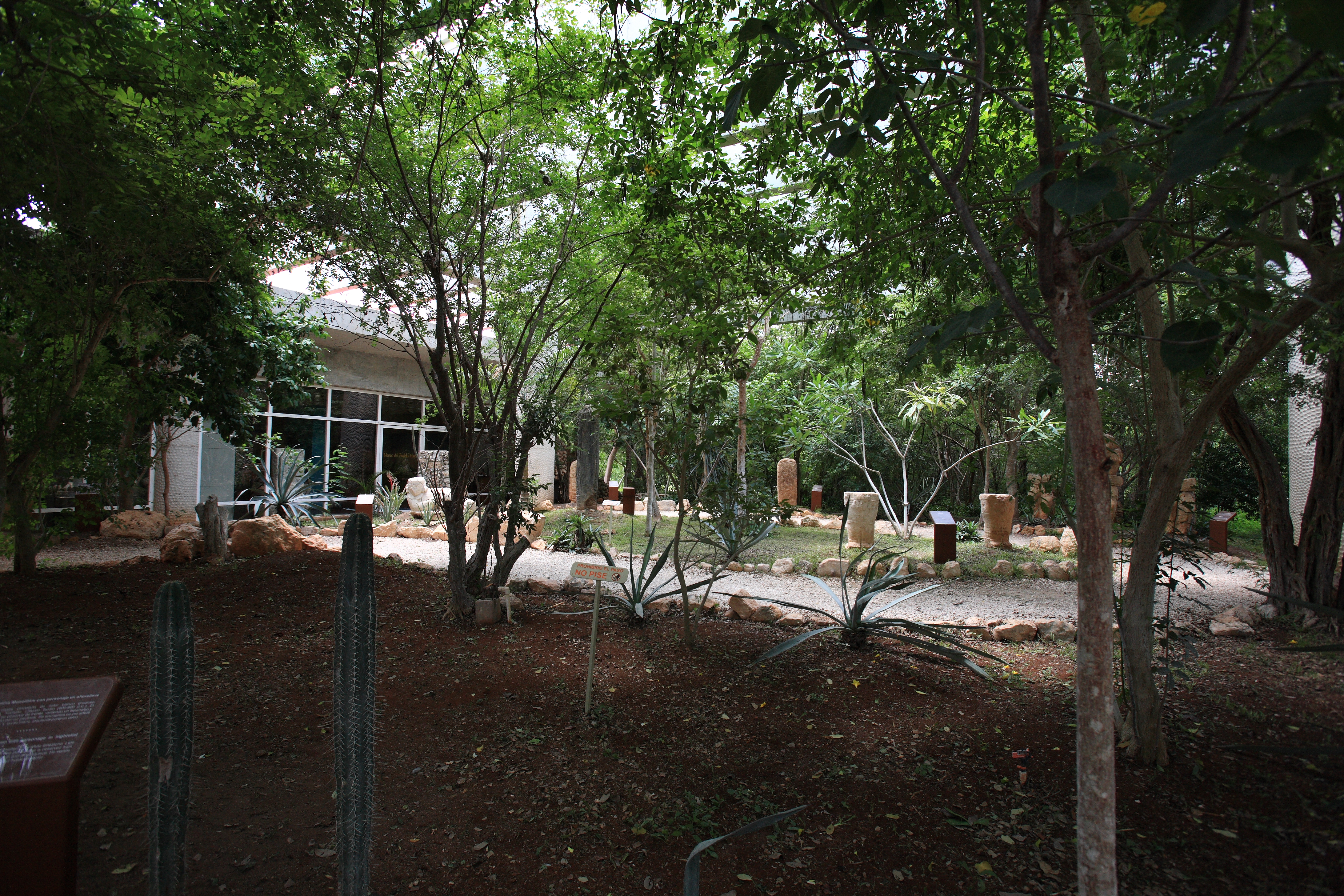
Monolith Pergola
The Monolith Pergola showcases pre-Hispanic monolithic sculptures from Yucatán, Campeche, and Quintana Roo, displayed along a path that winds through a garden of native plants.


Maya Archaeology
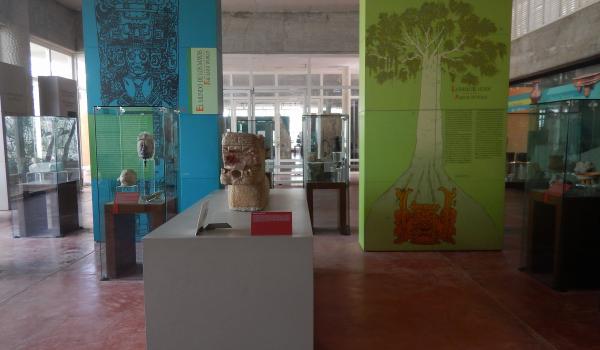
This gallery focuses on the pre-Hispanic era, presenting ceramics and architectural elements from Chiapas, Campeche, and Yucatán.


This gallery focuses on the pre-Hispanic era, presenting ceramics and architectural elements from Chiapas, Campeche, and Yucatán. The exhibit explores the Maya worldview, the mythical origin of humankind, their connection to nature and the gods, social hierarchy, painting, writing, labor specialization, and their understanding of time.
History
This section highlights the archaeology of Dzibilchaltún, the first encounters with the Spanish, the conquest of the Maya people, and the formation of Yucatecan identity.

Maya Homestead
The Maya Homestead is an adjacent area featuring a traditional rural Maya dwelling, built using ancestral techniques, local materials, and traditional craftsmanship.


- ResponsableMaría Federica Anastasia Carlota Amalia Sodi Mirandafederica_sodi@inah.gob.mx


